
 See Our Latest Article on HelloNation

Can Chiropractic Care Affect Anxiety?
Chiropractic care is primarily known for addressing musculoskeletal concerns like back pain and joint issues, but some area residents wonder if these treatments could also help manage anxiety. While research does not conclusively prove that chiropractic adjustments directly treat anxiety, some individuals have reported improvements in their overall well-being and stress levels following care. Understanding the possible relationship starts with how the body and nervous system interact.
How Could Spinal Health Influence Anxiety?
The spine houses and protects the spinal cord, which, along with the brain, forms the central nervous system. Any misalignment or dysfunction in this system can potentially affect how the body processes stress signals.
In theory, chiropractic adjustments seek to restore optimal spinal mobility and nerve function. Supporters believe that if the nervous system works more efficiently, the body may become better equipped to handle everyday stressors. For many, stress can manifest physically—tension in the neck and upper back is a common local complaint, especially for those facing long commutes or working at a desk for extended periods common in Spring Valley. Whether this physical tension contributes to anxiety is still under investigation, but addressing it may offer some relief for those who experience stress-related discomfort.
What Does Current Research Say About Chiropractic and Anxiety?
Clinical studies focused solely on anxiety and chiropractic care are still limited. Some small-scale research and patient surveys suggest that people sometimes feel calmer or less anxious following chiropractic visits, but these outcomes may be related to benefits like pain reduction, better sleep, or increased relaxation rather than a direct effect on anxiety itself.
It’s important for local residents to recognize that anxiety can be a complex, multi-faceted condition with both psychological and physical triggers. While some individuals in the community may find adjunctive benefit from chiropractic care—such as less muscle tightness or headache relief—standard treatments for anxiety typically center on mental health support and lifestyle changes.
What Might a Chiropractic Visit Look Like for Someone With Anxiety Symptoms?
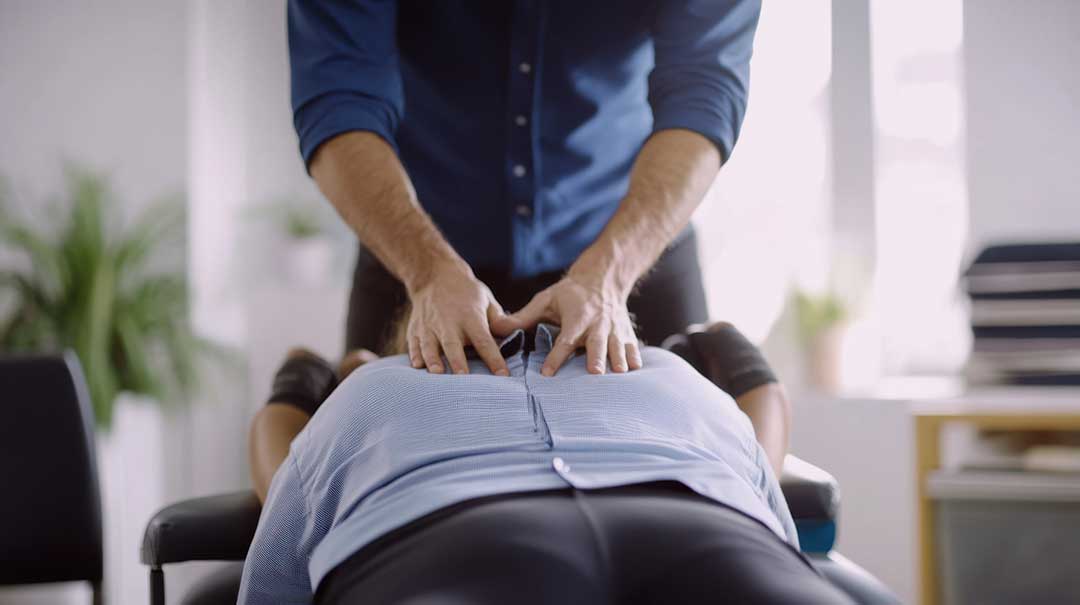
People in the city who experience anxiety and seek chiropractic care usually begin with a detailed assessment. Chiropractors will often ask about stress levels, sleep patterns, and daily habits, in addition to any physical discomfort.
A typical care session might include:
- Gentle spinal adjustments
- Soft tissue work or massage
- Stretching or therapeutic exercises
- Guidance on posture, movement, and ergonomics
Many practitioners also stress the importance of exercise, deep breathing, and adequate sleep—healthy habits recognized as helpful for stress and anxiety reduction in Spring Valley households. The relaxing environment of a chiropractic office, along with time spent focusing on one’s own well-being, may contribute to a sense of calm.
Are There Risks or Misunderstandings?
Chiropractic care is generally safe for most people when performed by a licensed professional, but there are misconceptions worth clarifying. It is not a substitute for counseling or prescribed medication for moderate to severe anxiety. People with complex mental health needs should discuss all treatment options with appropriate health providers.
Some residents mistakenly believe that chiropractic care can “cure” anxiety. The current understanding is more nuanced: while spinal health may impact overall well-being, and tension relief might indirectly support mental health, there is not enough scientific evidence to consider chiropractic a primary anxiety treatment.
What Local Factors Might Influence Results?
Life in Spring Valley brings its own unique set of stressors. Dense traffic, noise, and crowded housing can contribute to feelings of tension or overwhelm. For those who spend many hours sitting—whether commuting or working remotely—physical strain can add another layer of discomfort.
Residents who manage minor aches as part of their routine may find that chiropractic care plays a supportive role in stress management. Simple interventions such as adjusting desk setups, taking regular breaks to stretch, or practicing ergonomic habits can reduce muscle tightness that sometimes accompanies anxiety here. A holistic approach, incorporating physical, mental, and lifestyle solutions, is often helpful in the community.
When Should Someone Seek Additional Help?
For individuals in the city experiencing persistent anxiety, mood changes, or sleep disruptions that interfere with daily life, seeking guidance from a qualified mental health provider is essential. Chiropractic care may be considered an additional option for relaxation and physical well-being, but it is not an alternative to therapy or medication for those who need a higher level of support.
Local households benefit from knowing that integrating self-care strategies, understanding body-mind connections, and accessing community resources can work together for better mental and physical health.
