
 See Our Latest Article on HelloNation
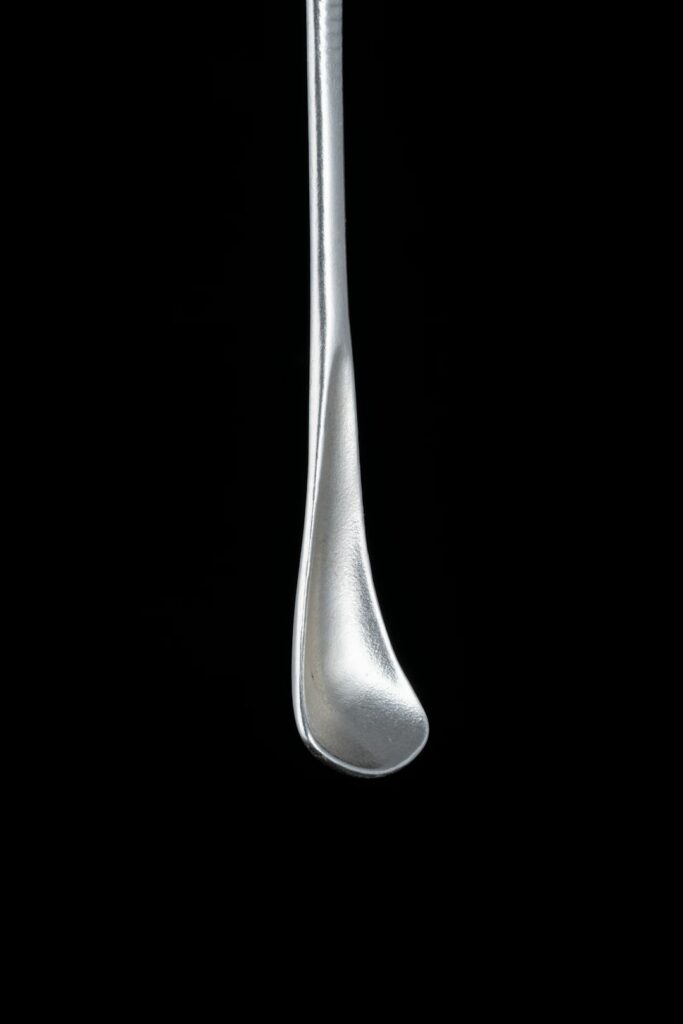
What is the Graston Technique?
The Graston Technique is a form of instrument-assisted soft-tissue mobilization, often abbreviated as IASTM. It uses smooth, handheld tools to apply controlled pressure and gliding movements over muscles, tendons, ligaments, and other soft tissues.
In chiropractic care, the technique may be considered when pain, stiffness, reduced movement, or sensitivity appears to involve soft-tissue irritation. The instruments do not “scrape out” scar tissue or physically break up adhesions in a simple mechanical sense. Instead, treatment is intended to provide a targeted stimulus to the tissues and nervous system while improving movement and tolerance to activity.
The technique is usually one part of a broader care plan. It may be combined with exercise, mobility work, activity modification, joint treatment, or education about posture and movement.
How is it supposed to work?
The proposed effects are both local and sensory. Gentle-to-moderate pressure from the tool may help a practitioner identify areas that feel unusually tight or sensitive. The treatment may also temporarily change how the nervous system perceives pressure and movement in that area.
Some people report that the treated region feels less stiff or moves more freely afterward. Others notice soreness, bruising, or little change. The response can vary depending on the condition, how forceful the treatment is, the person’s sensitivity, and whether active rehabilitation follows.
A temporary improvement in movement does not necessarily mean that damaged tissue has been permanently repaired. For lasting improvement, the body generally needs gradual exposure to normal movement, appropriate strengthening, and enough recovery time.
What conditions may be treated with it?
IASTM techniques are used for a range of musculoskeletal complaints, including:
- Muscle strains and overuse problems
- Tendon-related pain
- Limited range of motion
- Persistent neck, shoulder, back, hip, or leg stiffness
- Scar sensitivity after a healed injury or procedure
- Movement restrictions associated with repetitive work or exercise
For a resident of Spring Valley, activities such as snow removal, yard work, carrying household items, prolonged sitting, and recreational exercise can place repeated demands on the same tissues. A sudden increase in these activities may contribute to soreness or stiffness.
The technique is not appropriate for every diagnosis. Pain caused by a fracture, infection, significant nerve compression, blood clot, major ligament injury, or another serious condition requires a different evaluation and treatment approach.
Does it hurt?
Graston treatment should not be viewed as a test of how much discomfort a person can tolerate. Mild pressure, tightness, or a scraping sensation may occur, but sharp, burning, electric, or escalating pain is a reason to stop and reassess.
Minor redness can appear because of increased local blood flow or skin irritation. Bruising may also occur, especially when pressure is excessive or a person bruises easily. Soreness for a day or two is possible, but severe pain, expanding bruising, marked swelling, numbness, or weakness should not be dismissed as a normal response.
The amount of pressure should be adjusted to the individual. More force is not automatically more effective.
What does a typical session involve?
A responsible session usually begins with a health history and movement assessment. The practitioner may ask about the onset of symptoms, previous injuries, medications, skin conditions, circulation problems, and activities that make symptoms better or worse.
The skin may be treated with a small amount of lotion or another appropriate medium so the instrument can move smoothly. The practitioner then uses the tool over a selected area for a limited amount of time, checking the person’s response as treatment progresses.
Afterward, the person may be given simple movements or exercises. These may include range-of-motion work, stretching, strengthening, walking, or gradual return to a specific activity.
The treatment area does not always match the location of pain. For example, symptoms near the shoulder may be influenced by the neck, upper back, rib area, or arm. That does not mean every painful area should be treated aggressively; it means the overall movement pattern matters.
What does the research say?
Research on instrument-assisted soft-tissue mobilization has produced mixed results. Some studies report short-term improvements in pain, flexibility, or range of motion, particularly when the technique is combined with exercise or other rehabilitation. Other reviews have found that the evidence is inconsistent, with limitations such as small study groups, different treatment methods, and difficulty separating the effects of the instrument from the effects of movement and attention.
This means the Graston Technique should not be presented as a guaranteed way to remove scar tissue, correct posture, heal an injury, or prevent surgery. It may help some people feel and move better, but its value should be judged by practical outcomes such as improved function, easier movement, and better tolerance for daily activities.
Exercise and gradual activity progression remain important parts of recovery. Passive treatment alone is less likely to address weakness, poor load tolerance, or habits that contributed to recurring symptoms.
Who should be cautious?
Certain health factors may make instrument-assisted treatment inappropriate or require special modification. Caution is warranted with:

- Blood-thinning medication or a known bleeding disorder
- Easy or unexplained bruising
- Varicose veins or suspected circulation problems
- Open wounds, rashes, burns, or active skin infection
- Severe osteoporosis or a recent fracture
- Active cancer in the treatment area
- Significant loss of sensation
- Recent surgery or an injury that has not been medically assessed
Pregnancy does not automatically rule out all soft-tissue treatment, but positioning, pressure, and the body area involved may need to be changed. A complete health history should be discussed before treatment begins.
People with sudden calf swelling, chest pain, unexplained shortness of breath, progressive weakness, loss of bladder or bowel control, or severe pain after trauma need prompt medical evaluation rather than soft-tissue treatment.
How can someone judge whether it is helping?
Useful questions include:
- Is daily movement becoming easier?
- Can normal activities be performed with less discomfort?
- Is range of motion improving in a measurable way?
- Does soreness settle within a reasonable period?
- Are exercises becoming easier over time?
- Is improvement lasting beyond the treatment session?
If symptoms improve only for a few hours and then repeatedly return, the underlying activity demands, strength deficit, sleep disruption, or diagnosis may need further attention. A treatment plan should be adjusted when there is no meaningful functional progress.
The most balanced view is that the Graston Technique can be a supplemental hands-on method for selected soft-tissue complaints. It is not a substitute for a careful assessment, appropriate exercise, recovery, or medical evaluation when warning signs are present.
