
 See Our Latest Article on HelloNation
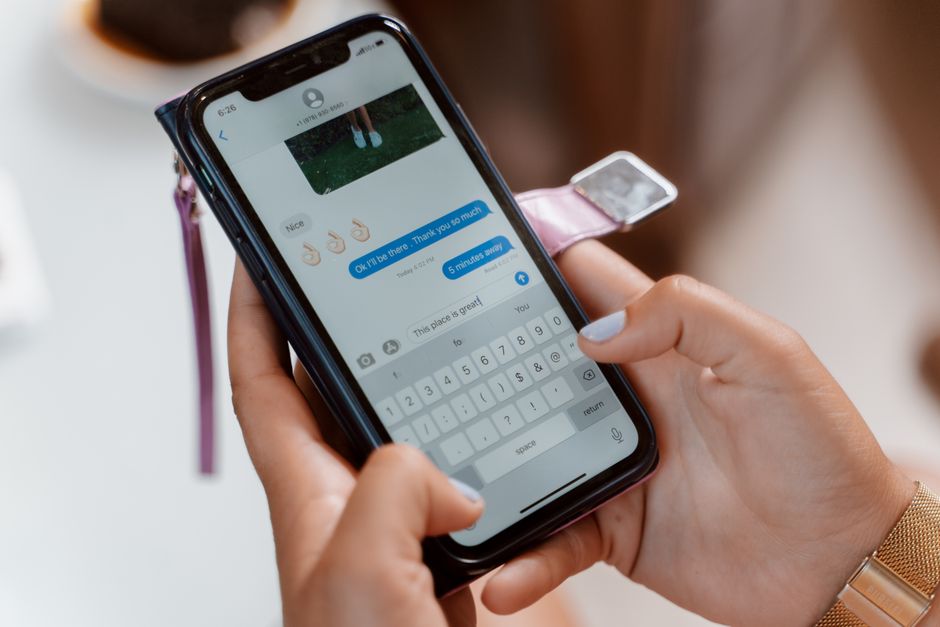
Texting thumb is a common name for pain or irritation caused by repeated thumb and wrist movements, including texting, scrolling, gaming, typing, and gripping a phone. The discomfort often develops gradually and may improve when the hand is given a chance to recover.
What does texting thumb feel like?
Texting thumb usually causes aching, tenderness, stiffness, or burning near the base of the thumb or along the thumb side of the wrist. Some people notice pain when:
- Sending frequent messages
- Scrolling with one thumb
- Opening jars or turning keys
- Lifting a child, bag, or mug
- Pinching clothing or paper
- Making a fist or moving the wrist
Swelling or a catching sensation may also occur. Pain that travels a short distance into the forearm can suggest irritation of the tendons that move the thumb.
The phrase “texting thumb” does not identify one specific medical condition. Symptoms may involve tendon irritation, joint strain, nerve sensitivity, or a condition such as de Quervain’s tenosynovitis. A proper evaluation is useful if the pain persists, worsens, or interferes with normal hand use.
Why can phone use irritate the thumb?
The thumb performs many small, repetitive movements while texting and scrolling. These movements become more stressful when the wrist is bent, the phone is held tightly, or the same hand does nearly all of the work.
A large phone may require the thumb to stretch repeatedly across the screen. Holding the device in one hand can also place sustained pressure through the base of the thumb. Long periods of use without breaks may not feel strenuous in the moment, but the cumulative load can irritate sensitive tendons and joints.
Local routines can contribute as well. During colder months, people may spend more time indoors using phones, tablets, or gaming devices. Gloves, bulky sleeves, and dry hands can also encourage a tighter grip, especially during winter travel or outdoor errands.
What should be done during the first few days?
The first step is to reduce the movements that reproduce the pain. Complete inactivity is not always necessary, but continuing long texting sessions through increasing discomfort can prolong irritation.
Try these measures:
- Use voice-to-text for longer messages.
- Hold the phone with both hands and alternate which thumb types.
- Use the index finger for scrolling when the thumb is sore.
- Keep messages shorter and take frequent pauses.
- Avoid gripping the phone tightly.
- Place the phone on a table or stable surface for reading.
- Apply a cold pack wrapped in a thin cloth for short periods if the area feels swollen or irritated.
A temporary thumb-and-wrist brace may reduce painful motion, particularly during activities that repeatedly bend the wrist. It should not be so tight that it causes numbness, tingling, color changes, or increased pain. Wearing a brace continuously without guidance can also lead to stiffness, so gentle, comfortable movement remains useful when symptoms allow.
How can phone habits be changed?
Ergonomics are more effective when they reduce both force and repetition. The goal is not simply to hold the phone differently for a few minutes, but to make ordinary use less demanding.
Keep the wrist as straight and relaxed as possible. Raise the screen closer to eye level rather than reaching the thumb downward from a sharply bent wrist. A stand can help during video viewing, reading, or long conversations.
For frequent typing, consider:
- Increasing text size so the thumb does not need to make precise, forceful taps
- Using predictive text or voice entry
- Switching hands regularly before pain begins
- Taking a brief movement break every 10 to 15 minutes
- Using a larger keyboard when writing lengthy messages
- Avoiding one-handed phone use while carrying groceries, commuting, or walking
The same principles apply to tablets, handheld game systems, and other devices. A wider grip, relaxed fingers, and regular position changes may reduce strain.
Should the thumb be stretched or exercised?
Gentle movement can help prevent stiffness, but aggressive stretching may aggravate an irritated tendon. Exercises should stay within a comfortable range and should not produce sharp pain.
A simple approach is to slowly open and close the hand, then move the thumb away from the palm and back again. Another option is to lightly touch the thumb to each fingertip without pressing hard. Perform a few relaxed repetitions, then stop if symptoms increase during the exercise or remain worse afterward.
Strengthening exercises are usually better introduced after daily pain has settled. Squeezing hard objects, repeatedly stretching the thumb, or performing online “tests” that deliberately provoke pain can slow recovery.
Can chiropractic care help with texting thumb?
A chiropractor may assess the wrist, thumb, forearm, elbow, shoulder, and upper back to identify movement patterns that may be contributing to discomfort. Care may include education about activity modification, gentle manual techniques, and exercises intended to restore comfortable movement.
However, thumb and wrist pain can have several causes. A chiropractic assessment should not replace medical evaluation when there is significant swelling, an injury, loss of strength, numbness, or uncertainty about the diagnosis. Treatment should be based on the actual source of symptoms rather than the label “texting thumb.”
When should persistent pain be evaluated?
Mild soreness that improves after reducing phone use often settles with conservative care. Persistent or worsening symptoms deserve attention, especially when they affect sleep, work, driving, cooking, or dressing.
An evaluation is particularly appropriate when:
- Pain lasts more than one to two weeks despite reducing aggravating activities
- The thumb or wrist becomes visibly swollen
- Grip strength decreases
- The thumb catches, locks, or feels unstable
- Numbness or tingling develops
- Pain follows a fall, impact, or sudden force
- The hand becomes red, hot, or unusually tender
- Movement is severely limited
Sudden weakness, major swelling, deformity, or a cold or discolored hand requires prompt medical care. These signs may indicate an injury or circulation problem rather than routine overuse.
What is a common misconception about texting thumb?
A frequent misconception is that only texting causes the problem. The underlying issue is usually the total amount of repetitive thumb and wrist activity. Scrolling, gaming, carrying a phone, lifting, household tasks, and computer work can all add to the same physical load.
Another misconception is that pain must be severe before action is needed. Early changes—such as alternating hands, reducing grip force, and taking breaks—may prevent mild irritation from becoming a longer-lasting problem. The most useful approach is to respond to symptoms early while maintaining comfortable, normal movement.
