
 See Our Latest Article on HelloNation

Foot pain is sometimes treated as an isolated problem, but the feet are part of a connected movement system. Changes in foot position, walking pattern, or weight distribution can influence the ankles, knees, hips, pelvis, and lower back. That does not mean every foot problem is caused by spinal misalignment—or that adjusting the spine will resolve every foot condition. The useful question is how the entire lower body is moving.
Can foot pain really affect spinal alignment?
Yes, foot pain can change the way a person stands and walks, which may temporarily alter loading through the pelvis and spine. A painful heel, arch, toe, or ankle often causes someone to shorten a step, favor one side, rotate the leg outward, or avoid placing full weight on the affected foot.
These changes are known as compensations. They may reduce discomfort in the short term, but they can also place extra demand on muscles and joints higher in the body. Research on foot pain and gait has found that compensatory walking strategies can affect movement elsewhere, although the strength of the relationship varies by condition and individual. ([pmc.ncbi.nlm.nih.gov](https://pmc.ncbi.nlm.nih.gov/articles/PMC4841207/?utm_source=openai))
The effect is usually not a simple “foot problem causes spinal misalignment” sequence. Foot pain, hip weakness, limited ankle motion, old injuries, work demands, and spinal symptoms may all influence one another.
How does the foot influence the rest of the body?
The foot absorbs impact and adapts to uneven surfaces during walking. It also becomes more rigid during push-off, helping the body move forward. This requires coordinated motion at the foot, ankle, knee, hip, pelvis, and trunk.
Two commonly discussed patterns are:
- Pronation: The foot rolls inward and the arch lowers to some degree during weight-bearing. A certain amount is normal. Excessive or poorly controlled motion may affect how the lower leg and knee rotate.
- Supination: The foot rolls outward and becomes relatively rigid. Excessive stiffness or limited shock absorption may increase stress on the foot, ankle, or leg.
Low arches or high arches do not automatically indicate a problem. A systematic review found some association between flatter foot posture and increased rearfoot motion, but the evidence was not conclusive and effects were often small. Foot shape alone is therefore less informative than how the foot functions during walking, stairs, standing, and other activities. ([pubmed.ncbi.nlm.nih.gov](https://pubmed.ncbi.nlm.nih.gov/23391750/?utm_source=openai))
Why might a foot problem be felt in the low back?
A painful foot can change pelvic and spinal movement in several ways. For example, a person with heel pain may avoid rolling through the foot and instead keep the ankle stiff. Someone with pain on one side may spend more time on the opposite leg. A restricted ankle may encourage the foot to turn outward or the pelvis to rotate during a step.
Over time, these adaptations can increase fatigue in the calf, hamstring, hip, or low-back muscles. They may also make ordinary activities—walking on sidewalks, standing at work, climbing stairs, or carrying groceries—feel more demanding.
The reverse can also happen. Irritation of a nerve in the lower back may cause pain, tingling, numbness, or weakness in the leg or foot. In that situation, the foot symptom is not primarily a foot-alignment issue. A careful assessment should distinguish local foot pain from symptoms referred from the spine.
Which foot symptoms deserve closer attention?
The location and behavior of pain provide useful clues, although they cannot replace an examination.
- Heel pain with the first steps after rest may be associated with plantar fascia irritation, but other causes are possible.
- Arch fatigue or aching after prolonged standing may relate to foot load, footwear, calf tightness, or changes in activity.
- Pain under the ball of the foot can result from pressure, altered push-off, footwear, or joint irritation.
- Burning, tingling, or numbness may indicate nerve involvement in the foot, ankle, or lower back.
- Pain that travels from the back through the buttock and leg into the foot may be more consistent with nerve-related back or leg pain than a local alignment problem.
- Swelling, bruising, or sudden inability to bear weight raises concern for an injury or another condition requiring prompt evaluation.
A foot problem that persists despite reducing aggravating activity, using comfortable supportive footwear, and trying basic home care should not be explained solely as “poor alignment.” Heel pain that does not improve after two to three weeks, becomes worse, or is sudden and severe warrants medical evaluation. ([medlineplus.gov](https://www.medlineplus.gov/ency/article/003181.htm?utm_source=openai))
What can residents try at home?
For mild symptoms without major injury, a few low-risk steps may help identify what is aggravating the problem:
1. Reduce the specific load temporarily. Replace long walks, repeated stair use, or high-impact exercise with easier movement for several days.
2. Wear comfortable, properly fitting shoes. Adequate room for the toes, cushioning, and a stable sole may reduce irritation. Avoid assuming that the most rigid or heavily supportive shoe is best for everyone.
3. Notice patterns rather than judging posture in a mirror. Track whether symptoms appear after standing, on uneven ground, after sitting, or during the first steps in the morning.
4. Maintain gentle ankle and calf movement. Limited ankle motion can affect walking mechanics, but stretching should not produce sharp pain or increased numbness.
5. Avoid making abrupt changes. Suddenly switching footwear, adding intense exercise, or using rigid inserts for long periods may create new discomfort.
Winter ice, uneven pavement, and long periods indoors on hard flooring can change walking habits in the local community. Slips, guarded steps, and reduced outdoor activity may contribute to stiffness or deconditioning. These factors can matter as much as the shape of the arch.
Can chiropractic care help with foot pain and spinal alignment?
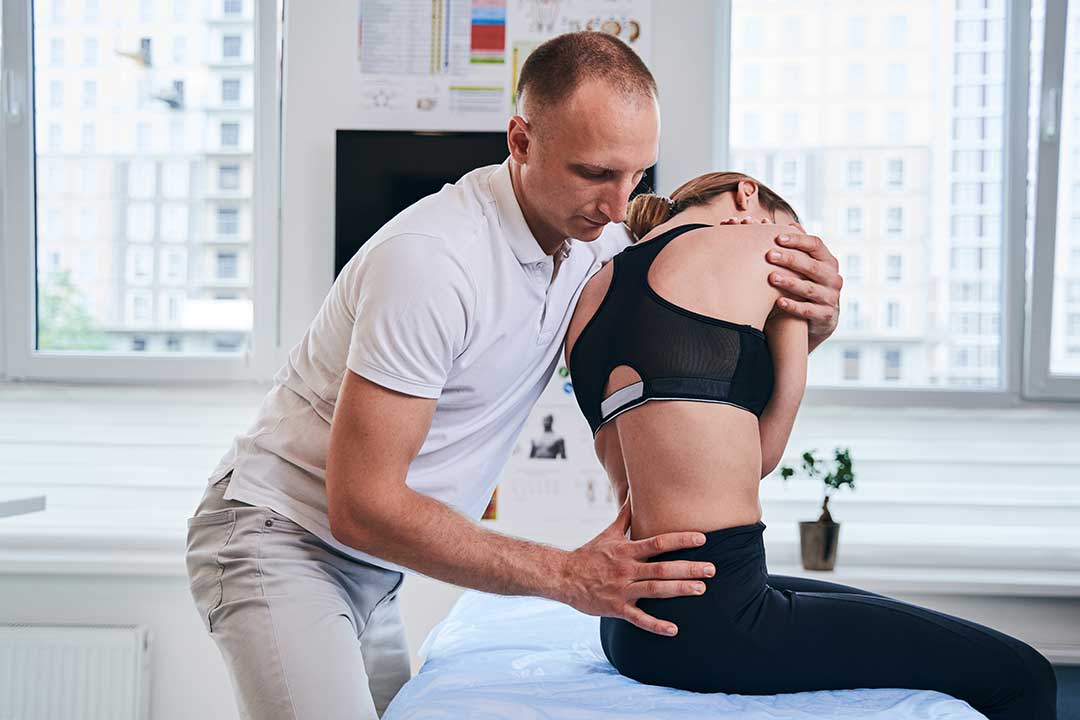
Chiropractic assessment may consider spinal, pelvic, hip, ankle, and foot movement as part of a broader musculoskeletal evaluation. Manual treatment, exercise, mobility work, and gait-related advice may be considered when the findings support them.
However, evidence does not support treating every foot-pain complaint as a spinal alignment problem. A sound evaluation should consider common local causes such as plantar fascia irritation, tendon problems, arthritis, stress injury, nerve compression, or footwear-related overload. The most appropriate care may involve a physician, physical therapist, podiatric clinician, or another qualified health professional depending on the symptoms.
Spinal manipulation should not delay evaluation of serious warning signs, including progressive weakness, loss of bladder or bowel control, severe numbness, fever, major swelling, deformity, or inability to bear weight.
What should an evaluation include?
A useful assessment usually looks beyond the painful spot. It may include:
- Standing posture and weight distribution
- Walking speed, stride length, and foot placement
- Ankle mobility and calf flexibility
- Strength of the foot, hip, and trunk
- Balance and single-leg control
- Shoe wear patterns
- The timing and location of pain
- Numbness, tingling, or weakness that could suggest nerve involvement
The goal is not to find a perfectly symmetrical body. Small differences are common. The goal is to determine whether a movement pattern is contributing to symptoms and whether a practical change can reduce stress while preserving normal activity.
Foot pain and spinal symptoms can be connected through gait and compensation, but the relationship is individual rather than automatic. Looking at the foot, leg, pelvis, and spine together usually provides a more accurate explanation than focusing on alignment alone.
