
 See Our Latest Article on HelloNation
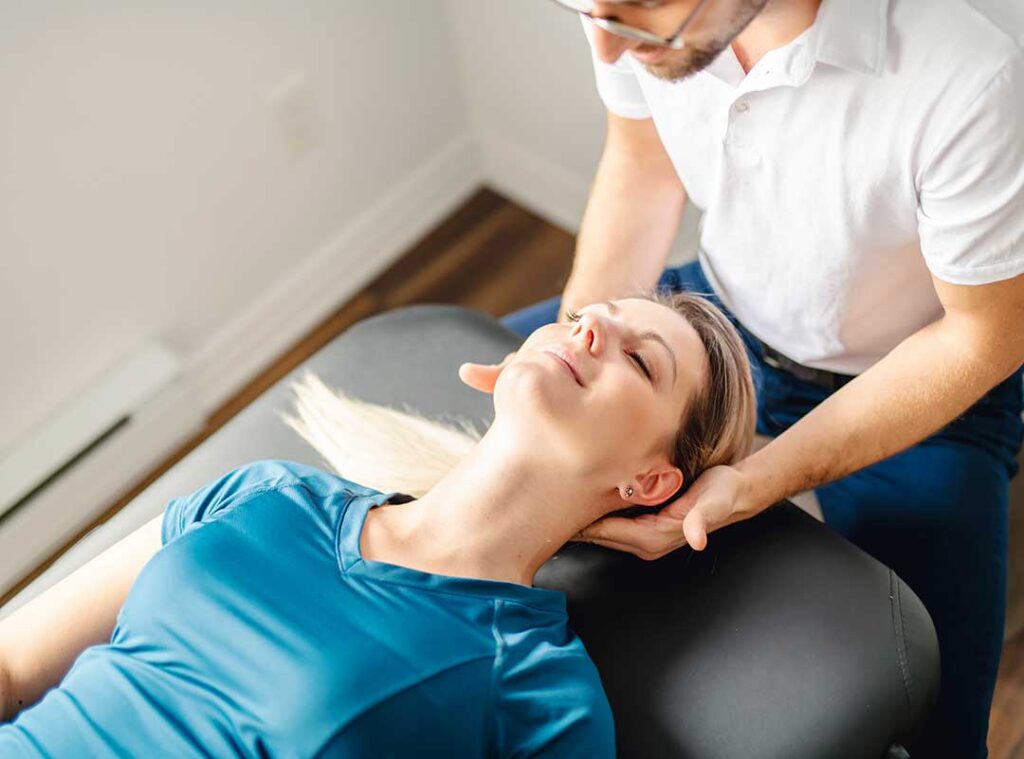
Simple mobility exercises can help reduce stiffness, maintain comfortable movement, and make everyday tasks feel easier. For residents of Spring Valley, NY, a short routine at home may be especially useful after long periods of sitting, indoor winter activity, commuting, household work, or limited movement during a busy day.
Mobility exercises are different from intense stretching or strength training. They use controlled movement through a comfortable range to help joints, muscles, and the nervous system work together. The goal is not to force flexibility. The goal is to move with less restriction and better awareness.
What are mobility exercises?
Mobility exercises are slow, active movements that take a joint through part of its available range. Unlike passive stretching, which often involves holding a position, mobility work usually includes gentle motion and muscular control.
Examples include:
- Rolling the shoulders slowly
- Moving the neck through a comfortable range
- Rotating the upper back while seated
- Moving the hips from side to side
- Flexing and pointing the ankles
- Performing controlled sit-to-stand movements
Mobility work may be helpful for general stiffness, but it does not diagnose or treat every cause of pain. A person with an injury, significant limitation, or unexplained symptoms may need an individualized evaluation before starting an exercise routine.
How often should someone perform these exercises?
For general mobility, five to ten minutes most days is often more practical than a longer routine performed rarely. Movements can be completed in the morning, after sitting, before household tasks, or during a break from desk work.
A useful starting pattern is:
- Perform five to eight slow repetitions of each movement.
- Move only through a comfortable range.
- Breathe normally rather than holding the breath.
- Stop if symptoms become sharper, stronger, or more widespread.
- Increase repetitions gradually instead of forcing a deeper position.
Mobility exercises should leave the body feeling more prepared to move, not irritated or exhausted.
Which at-home exercises are safe starting points?
The following sequence requires little space and no special equipment. A sturdy chair, wall, or countertop may be used for balance.
1. Neck turns
Sit or stand tall with the shoulders relaxed. Slowly turn the head to look toward one side, return to the center, and repeat on the other side. Keep the chin level rather than tipping the head upward.
Complete five gentle repetitions per side. Avoid pushing into pain, dizziness, tingling, or a sensation of pressure.
2. Shoulder circles
Lift the shoulders slightly, move them backward, lower them, and then bring them forward in a smooth circle. Reverse the direction after five repetitions.
This can be useful after reading, computer work, driving, or other activities that keep the shoulders in one position.
3. Upper-back rotation
Sit near the front of a chair with both feet on the floor. Cross the arms over the chest or place the hands lightly on the shoulders. Turn the chest to one side without forcing the movement, return to center, and rotate to the other side.
The hips should stay mostly facing forward. The movement should come from the upper back rather than from twisting aggressively through the lower spine.
4. Cat-cow movement
Begin on hands and knees on a firm, comfortable surface. Slowly round the back while allowing the head to follow naturally. Then move in the opposite direction by gently extending the spine without collapsing into the lower back.
Perform five to eight repetitions. People with wrist discomfort can perform a similar movement while seated, placing the hands on the thighs and gently rounding and lengthening the back.
5. Hip shifts
Stand near a counter or sturdy chair. Keeping both feet planted, shift the hips slightly toward one side and then the other. Keep the knees soft and avoid leaning far enough to lose balance.
This movement introduces gentle side-to-side motion through the hips and pelvis. It can be useful after prolonged sitting or standing.
6. Ankle pumps and circles
While seated, lift one foot slightly from the floor. Point the toes away, pull them gently toward the shin, and repeat. Then make small ankle circles in both directions.
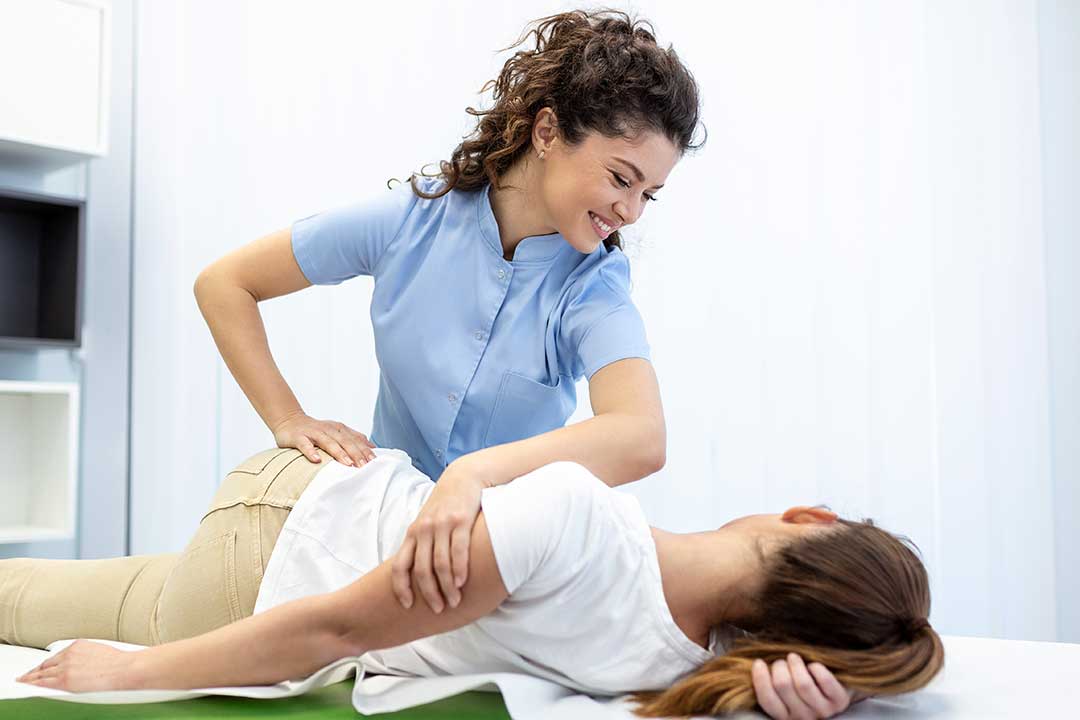
Ankle mobility may be particularly useful after long periods of sitting, during colder months when outdoor movement decreases, or before walking on uneven surfaces.
7. Supported sit-to-stand
Sit in a sturdy chair with the feet about hip-width apart. Lean forward slightly, press through the feet, and stand. Slowly lower back into the chair without dropping down.
Use the arms of the chair or a nearby stable surface only if needed. Perform five repetitions at a controlled pace. This exercise combines hip, knee, ankle, and balance control for a movement used frequently in daily life.
Should mobility exercises hurt?
Mild tension, stiffness, or a gentle pulling sensation may occur, but sharp, electric, burning, or worsening pain is not a normal target. Symptoms that travel down an arm or leg, produce numbness, or cause noticeable weakness deserve extra caution.
A useful rule is to keep the movement below the point where symptoms become more intense. If discomfort remains elevated for hours after the routine or is worse the following day, reduce the range, lower the repetitions, or stop that exercise.
Pain is not a reliable measure of exercise quality. Forcing a joint farther does not necessarily create better mobility and may increase irritation.
How can someone make the routine more comfortable?
Mobility exercises are easier to perform when the surrounding conditions support relaxed movement. Use a warm room, supportive footwear when standing, and a clear floor area without loose rugs or clutter. During colder weather, a few minutes of easy walking around the home can help the body feel less stiff before beginning.
People who spend much of the day seated can connect mobility work to an existing habit, such as standing after a phone call or moving during a television break. Those who perform household chores may use the routine before lifting laundry, carrying bags, or working in a low position.
The exercises should be adjusted for the individual. A chair-based routine may be a better starting point than floor exercises for someone with balance concerns, knee discomfort, or difficulty getting down to the floor.
When should home mobility exercises be avoided?
Extra caution is appropriate after a recent fall, accident, surgery, or significant injury. Medical guidance is also advisable for symptoms such as:
- New or progressive weakness
- Loss of coordination or balance
- Numbness that does not resolve
- Severe or unexplained pain
- Fever or unusual illness with body pain
- Loss of bladder or bowel control
- Chest pain, fainting, or difficulty breathing
These symptoms are not typical signs of ordinary stiffness. Urgent symptoms should be addressed through appropriate medical services rather than an exercise routine.
How should progress be measured?
Improvement may appear as easier turning, more comfortable standing, smoother walking, or less stiffness after sitting. It does not require extreme flexibility or the ability to perform advanced stretches.
Track simple observations: how the body feels before and after movement, which exercises feel comfortable, and whether daily tasks become easier. Consistency and control are more useful measures than pushing farther each session.
A short, gentle routine performed regularly can support everyday movement while respecting the body’s limits. The most effective home program is one that fits safely into daily life and can be performed with steady, comfortable breathing.
