
 See Our Latest Article on HelloNation
Pregnancy-related back pain is common, but severe, persistent, or unusual pain should not be dismissed. In Spring Valley, NY, everyday factors such as icy winter walkways, long periods of driving, standing while caring for children, and lifting household items can add strain to an already changing body.
Most pregnancy-related back pain comes from a combination of physical changes. The growing uterus shifts the center of gravity, abdominal muscles stretch, body weight increases, and pregnancy hormones loosen pelvic ligaments. These changes can affect posture and place additional stress on the lower back and pelvis. ([mayoclinic.org](https://www.mayoclinic.org/healthy-lifestyle/pregnancy-week-by-week/in-depth/pregnancy/art-20046080?utm_source=openai))
What can relieve ordinary back pain during pregnancy?
Gentle movement, better support, careful lifting, and heat or cold may reduce muscle strain. The safest approach is usually to make small changes throughout the day rather than relying on one treatment.
Try the following:
- Take short walks if walking is comfortable and approved by the prenatal care team.
- Change positions regularly instead of sitting or standing for long periods.
- Use a chair with firm back support, or place a small pillow behind the lower back.
- Keep frequently used items within easy reach to avoid repeated bending.
- Rest when pain increases, but avoid prolonged bed rest unless specifically advised.
- Wear shoes with stable support and a low heel, especially on uneven or slippery surfaces.
Walking, swimming, and water exercise may be useful because they encourage movement while reducing the load carried by the spine. Anyone who was inactive before pregnancy should begin gradually and discuss a new exercise routine with an obstetric care professional. ([acog.org](https://www.acog.org/womens-health/faqs/back-pain-during-pregnancy?utm_source=openai))
How should someone sit, stand, and lift?
Posture matters because leaning backward to counterbalance a growing abdomen can increase lower-back muscle tension. Stand with the chest comfortably lifted, shoulders relaxed, knees slightly bent, and feet positioned wide enough to maintain balance.
If standing at a kitchen counter, folding laundry, or waiting in line, placing one foot on a low step can reduce pressure on the lower back. Switch feet periodically rather than remaining in one position.
For lifting:
- Move close to the object before picking it up.
- Squat by bending the knees instead of bending forward at the waist.
- Keep the back as neutral as possible.
- Lift with the legs and keep the object close to the body.
- Avoid twisting while carrying.
- Ask for help with heavy, awkward, or slippery items.
This is especially relevant during winter, when carrying groceries or navigating wet entryways can increase the chance of losing balance. Do not lift while standing on a step stool or unstable surface.
What sleeping position and pillows may help?
Side sleeping is generally more comfortable later in pregnancy and can reduce strain on the back. A pillow between the knees may help keep the hips and pelvis aligned. Some people also benefit from placing a small pillow under the abdomen or behind the back for additional support.
A supportive mattress and a position that allows easy movement are more important than purchasing a particular type of pregnancy pillow. If lying flat causes dizziness, shortness of breath, or discomfort, change position and discuss the symptom with the prenatal care team. ACOG advises avoiding prolonged flat-on-the-back exercise later in pregnancy because it can reduce blood return to the heart. ([acog.org](https://www.acog.org/womens-health/faqs/back-pain-during-pregnancy?utm_source=openai))
Is heat or cold safe for pregnancy-related back pain?
A warm—not excessively hot—heating pad, warm water bottle, or shower may soothe tight muscles. Use the lowest comfortable setting, place a towel between the heat source and the skin, and limit the duration to reduce the risk of burns or overheating.
A cold pack wrapped in cloth may help after activity or when the area feels irritated. Do not place ice directly on the skin. Stop if either heat or cold increases discomfort, causes numbness, or irritates the skin.
Warm baths can be relaxing, but very hot water and overheating should be avoided during pregnancy. The goal is comfortable muscle relaxation, not raising body temperature.
Can stretching, prenatal exercise, or chiropractic care help?
Gentle, pregnancy-appropriate exercise may strengthen the muscles that support the back, hips, abdomen, and legs. A commonly recommended movement begins on the hands and knees with the back in a neutral position. The person gently draws in the abdominal muscles and rounds the back slightly, then slowly returns to neutral. Movements should be controlled and comfortable, never forced.
Prenatal yoga, water exercise, and individualized physical therapy may also help. Exercise should stop if it causes pain, dizziness, vaginal bleeding, fluid leakage, chest pain, regular painful contractions, significant weakness, or shortness of breath before exertion. ([nhs.uk](https://www.nhs.uk/pregnancy/common-symptoms/back-pain/?utm_source=openai))
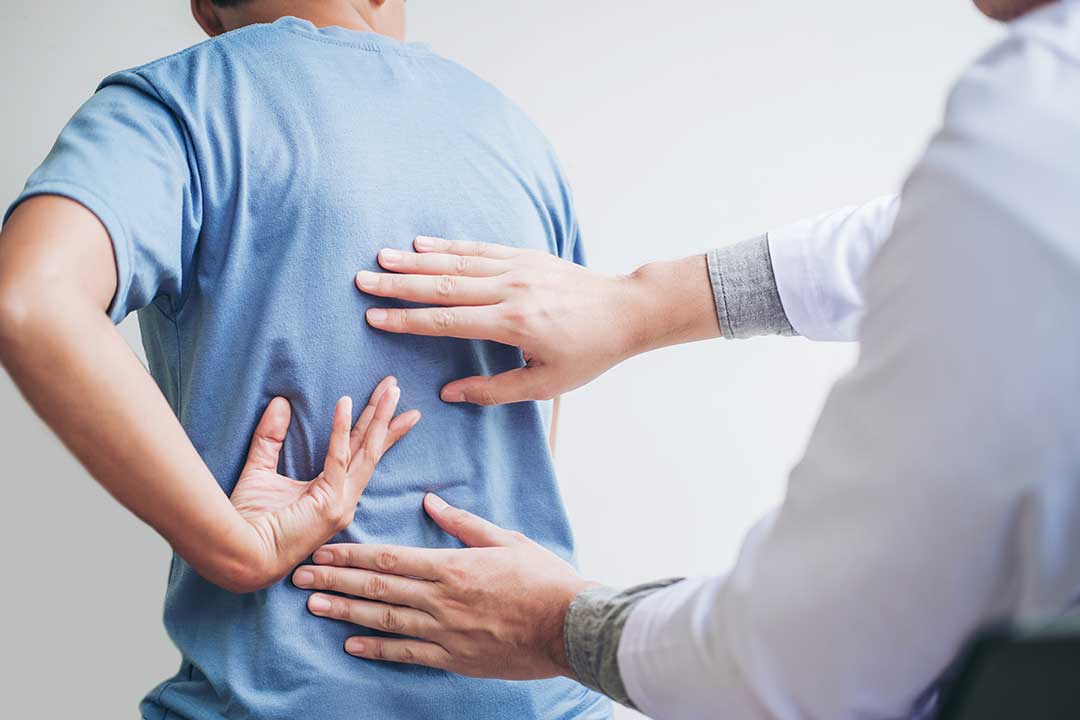
Some pregnant people consider chiropractic care or other hands-on treatment for back or pelvic discomfort. Evidence suggests that certain complementary approaches may help some individuals, but treatment should be adapted to pregnancy and the person’s medical history. Discuss it with the obstetric care team first, and make sure any chiropractor knows about the pregnancy, trimester, symptoms, medications, and pregnancy-related complications. Treatment should never delay evaluation of warning signs.
Which pain medicines are safe?
Do not assume that an over-the-counter pain reliever is safe simply because it is widely available. Medication choices can depend on the trimester, medical history, other medicines, and pregnancy complications.
A prenatal care professional may recommend acetaminophen in appropriate circumstances, but the dose and timing should follow individualized medical advice and the product label. Do not start ibuprofen, naproxen, aspirin, muscle relaxants, topical medicines, or herbal products for back pain without asking the obstetric care team. ACOG advises discussing prescription and nonprescription medicines during pregnancy with a healthcare professional. ([acog.org](https://www.acog.org/womens-health/faqs/having-a-baby?utm_source=openai))
When is pregnancy back pain a warning sign?
Contact the obstetric care team promptly for severe pain, pain that persists for more than two weeks, or pain that interferes with walking, sleeping, or daily activities. Back pain may sometimes be associated with preterm labor or a urinary tract infection.
Seek urgent medical guidance if back pain occurs with:
- Vaginal bleeding or fluid leakage
- Fever or chills
- Burning or pain during urination
- Regular cramps or contractions
- Pain in the side or under the ribs
- New leg weakness, numbness, or loss of feeling
- Dizziness, chest pain, or difficulty breathing
Loss of sensation in the legs, buttocks, or genital area requires immediate evaluation. A fall or direct injury during pregnancy also deserves medical attention, even if the pain initially seems mild. ([acog.org](https://www.acog.org/womens-health/faqs/back-pain-during-pregnancy?utm_source=openai))
For many residents, the most practical plan is a combination of gentle activity, supported sitting and sleeping, careful lifting, and prompt attention to symptoms that do not fit ordinary muscle strain. Pregnancy back pain is common, but it should still be assessed in context.
